

The landscape of Indian households is undergoing a dramatic transformation. Smart homes using AI in India are opening up new possibilities that were once confined to the realm of science fiction. From voice-activated assistants to intelligent security systems, artificial intelligence is reshaping how millions of Indians interact with their living spaces, bringing unprecedented convenience, efficiency, and innovation to everyday life.
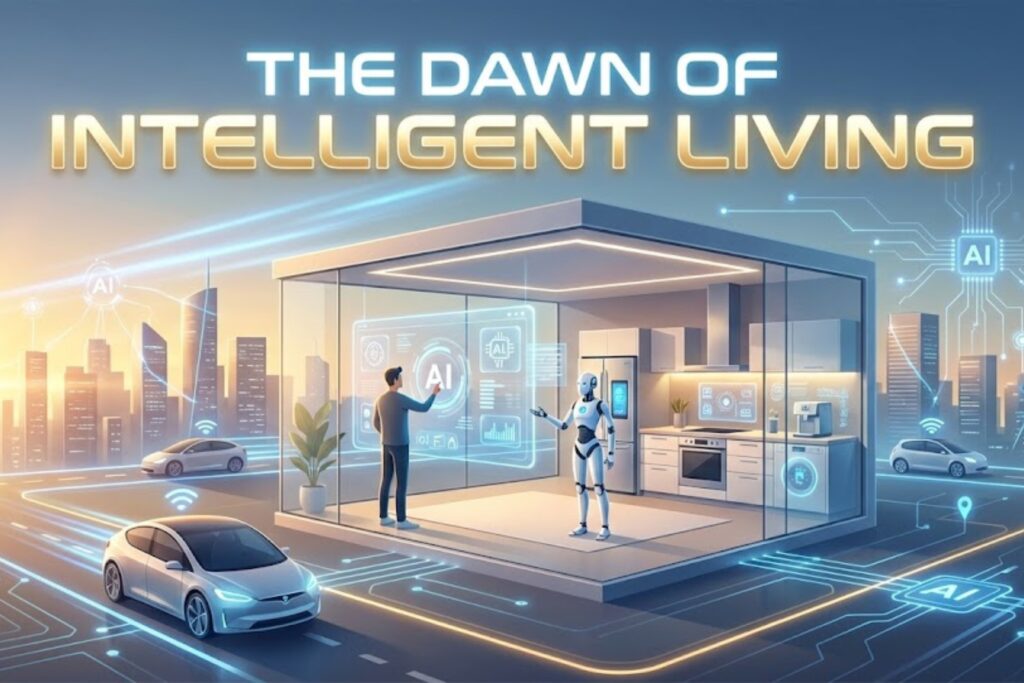
The Dawn of Intelligent Living
Indian tech companies and startups are at the forefront of this revolution. Recognizing the unique challenges and preferences of Indian consumers, they’re developing solutions tailored to local conditions. From dealing with frequent power fluctuations to accommodating large joint families, smart homes using AI in India are opening up new possibilities that address distinctly Indian needs.
India’s rapid technological adoption has created fertile ground for smart home innovation. Smart homes using AI in India opening up new possibilities is not just a trend but a revolution that’s making homes more responsive, energy-efficient, and secure. With the country’s growing middle class, increasing internet penetration, and falling technology costs, AI-powered home automation is becoming accessible to a broader demographic than ever before.
The integration of artificial intelligence into home systems represents a significant leap from traditional automation. While earlier smart home solutions focused on remote control and scheduling, smart homes using AI in India are opening up new possibilities through learning algorithms that adapt to residents’ habits, preferences, and routines. These systems don’t just follow commands; they anticipate needs.
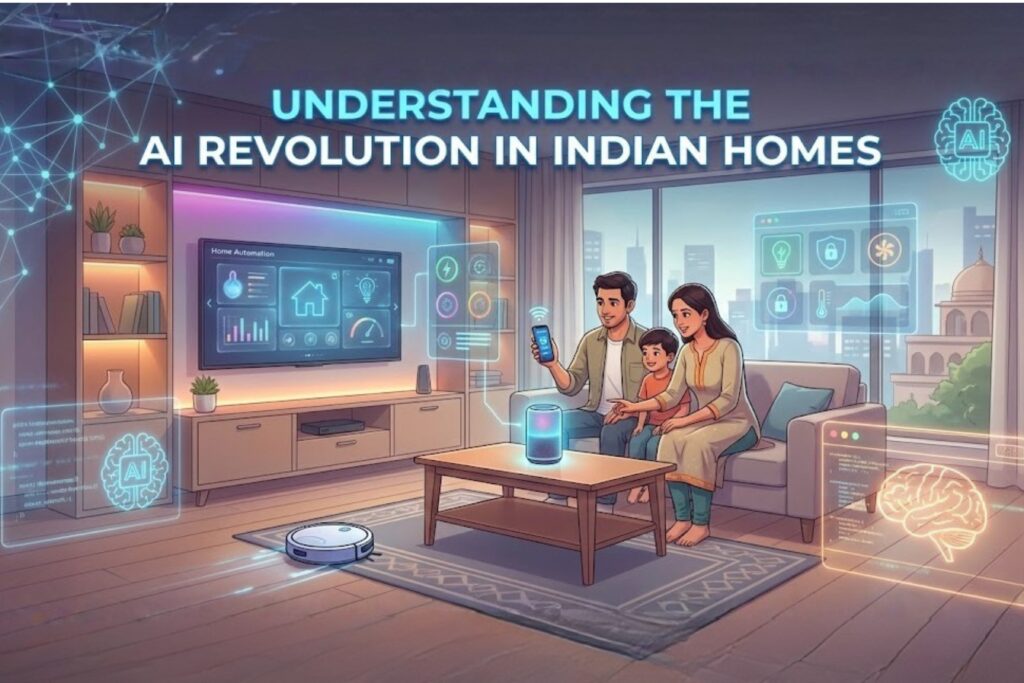
Understanding the AI Revolution in Indian Homes
At its core, the concept of smart homes using AI in India opening up new possibilities revolves around creating living spaces that think, learn, and respond. AI-powered systems use machine learning algorithms to analyze patterns in how residents use their homes. Over time, these systems become increasingly sophisticated, adjusting lighting based on time of day, optimizing air conditioning for comfort and efficiency, and even predicting when maintenance might be needed.
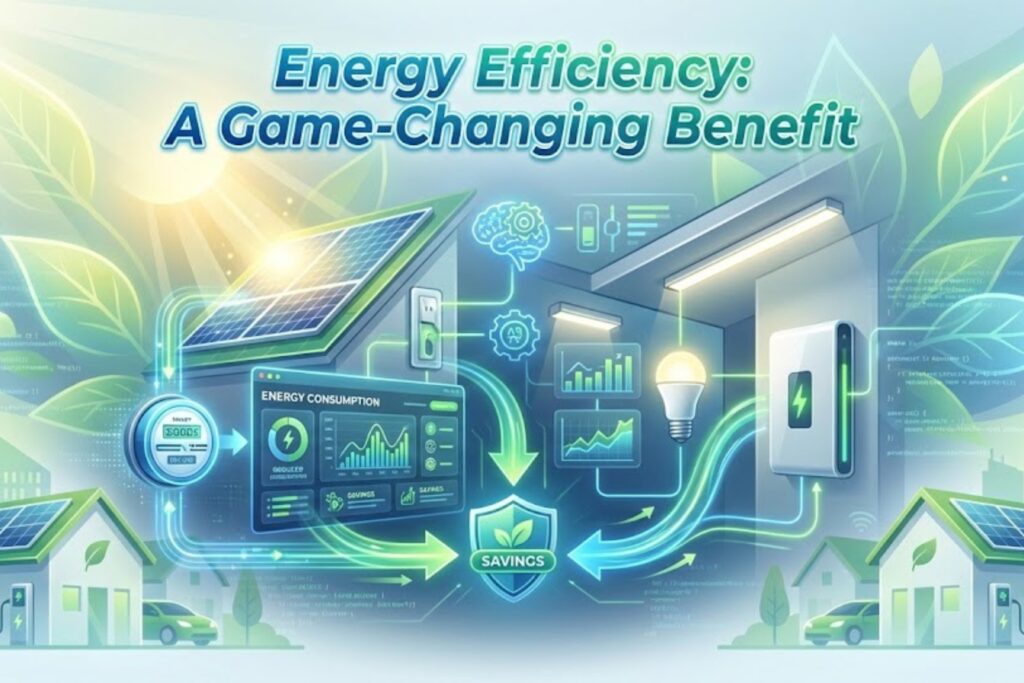
Energy Efficiency: A Game-Changing Benefit
One of the most compelling advantages of smart homes using AI in India opening up new possibilities is energy management. India faces significant energy challenges, with growing demand and concerns about sustainability. AI-powered home systems can reduce electricity consumption by 20 to 30 percent through intelligent monitoring and optimization.
These systems learn when rooms are occupied, adjust lighting and climate control accordingly, and even communicate with the power grid to shift energy-intensive tasks to off-peak hours. For Indian households grappling with rising electricity costs, smart homes using AI in India are opening up new possibilities for substantial savings while contributing to environmental conservation.
Smart thermostats, in particular, have gained traction in Indian metros. They learn temperature preferences for different times of day and weather conditions, ensuring comfort while minimizing wasteful energy use. This intelligent approach to climate control exemplifies how smart homes using AI in India opening up new possibilities extends beyond mere convenience to deliver tangible economic and environmental benefits.
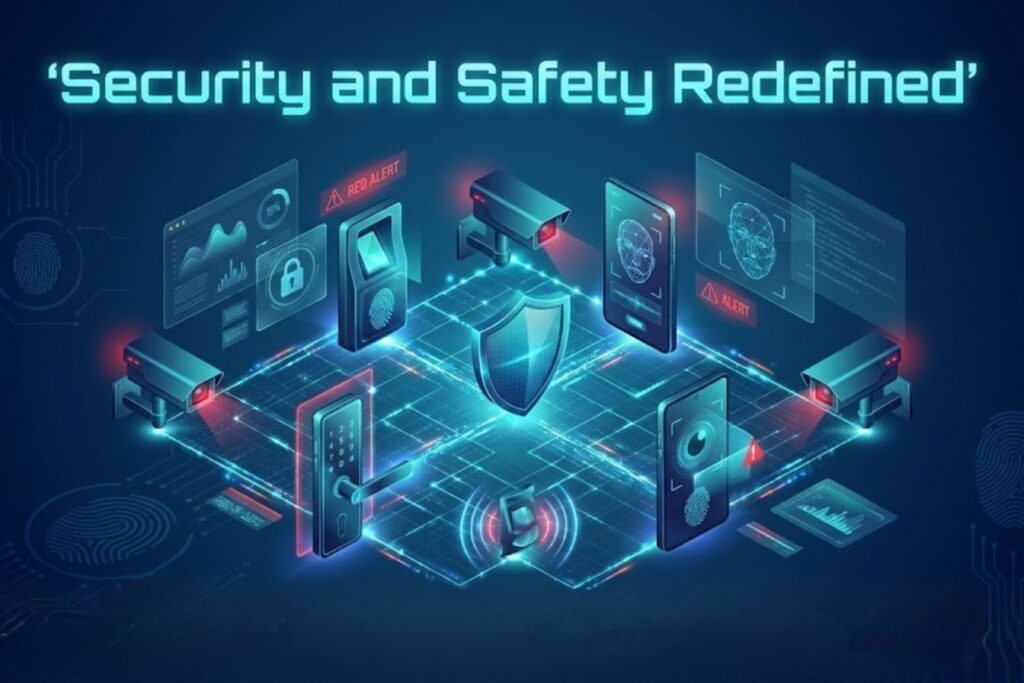
Security and Safety Redefined
Home security has always been a paramount concern for Indian families, and smart homes using AI in India are opening up new possibilities in this critical domain. AI-powered security systems go far beyond traditional alarms and CCTV cameras. They use facial recognition to identify family members, detect unusual activity patterns, and even distinguish between potential threats and harmless events like a stray animal in the yard.
Modern AI security systems can send real-time alerts to homeowners’ smartphones, allowing them to monitor their properties from anywhere in the world. Some systems integrate with local security services, automatically notifying them in case of emergencies. This level of intelligent protection demonstrates how smart homes using AI in India opening up new possibilities is transforming peace of mind for families across the country.
Fire and gas leak detection systems powered by AI add another layer of safety. These systems don’t just sound alarms; they can automatically shut off gas supplies, activate ventilation systems, and even contact emergency services, all while notifying the homeowner. Such proactive safety measures show how smart homes using AI in India are opening up new possibilities for protecting what matters most.
Voice Control and Natural Interaction
The proliferation of voice assistants in India has been remarkable. Devices supporting Hindi, Tamil, Bengali, and other regional languages are making smart homes using AI in India opening up new possibilities for millions who might not be comfortable with English interfaces. Voice control has emerged as the most intuitive way to interact with smart home systems, especially for elderly family members and children.
From turning on lights to adjusting room temperature, playing music, or checking security cameras, voice commands make home automation accessible to everyone. The ability to converse in one’s native language makes smart homes using AI in India opening up new possibilities truly inclusive, bridging the technology gap across generations and education levels.
Healthcare and Wellness Applications
Perhaps one of the most promising aspects of smart homes using AI in India opening up new possibilities lies in healthcare and wellness monitoring. AI-enabled devices can track vital signs, medication schedules, and sleep patterns, particularly valuable for elderly residents or those with chronic conditions.
Smart bathrooms with AI-powered health monitoring, intelligent air purifiers that adjust to pollution levels, and kitchen systems that suggest healthy meal options based on dietary requirements all exemplify how smart homes using AI in India are opening up new possibilities for preventive healthcare and improved quality of life.
Entertainment and Lifestyle Enhancement
Entertainment systems have become significantly more sophisticated with AI integration. Smart homes using AI in India opening up new possibilities includes personalized content recommendations, automatic adjustment of audio-visual settings based on content type, and even mood-based lighting that enhances the viewing experience.
AI-powered home systems can create ambiance for different occasions like romantic dinners, movie nights, or festive celebrations at the touch of a button or a voice command. This seamless integration of technology into lifestyle demonstrates how smart homes using AI in India are opening up new possibilities for enhanced living experiences.
The Role of Internet of Things (IoT)
The synergy between AI and IoT is crucial to understanding how smart homes using AI in India opening up new possibilities works in practice. IoT devices collect vast amounts of data from sensors throughout the home, while AI processes this information to make intelligent decisions. This combination creates a responsive ecosystem where devices communicate and coordinate their actions.
Smart refrigerators that track inventory and suggest recipes, washing machines that select optimal cycles based on fabric type and soil level, and robotic vacuum cleaners that map homes and clean efficiently all demonstrate how smart homes using AI in India are opening up new possibilities through IoT integration.
Challenges and Considerations
While smart homes using AI in India opening up new possibilities offers tremendous benefits, challenges remain. Data privacy and security concerns are paramount; homeowners must trust that their personal information and home activity patterns are protected. Indian consumers are becoming increasingly aware of these issues, and responsible manufacturers are implementing robust security measures.
The initial cost of smart home systems can be prohibitive for many Indian families, though prices are steadily declining. Additionally, the lack of standardization among devices from different manufacturers can create compatibility issues. However, as the market matures, these obstacles are gradually being overcome, making smart homes using AI in India opening up new possibilities more accessible.
The Future Landscape
Looking ahead, smart homes using AI in India are opening up new possibilities that extend into realms we’re only beginning to imagine. Integration with electric vehicles, advanced robotics for household chores, and AI systems that can predict and prevent equipment failures are on the horizon.
The Indian government’s push for smart cities and digital infrastructure will further accelerate adoption. As 5G networks expand across the country, the connectivity required for sophisticated AI home systems will become ubiquitous, ensuring that smart homes using AI in India opening up new possibilities reaches even tier 2 and tier 3 cities.
Conclusion
The transformation of Indian homes through artificial intelligence represents more than technological advancement; it’s a fundamental shift in how we conceive of living spaces. Smart homes using AI in India opening up new possibilities is creating environments that are safer, more efficient, more comfortable, and more responsive to residents’ needs.
As technology continues to evolve and become more affordable, the dream of intelligent homes will transition from luxury to necessity. The journey of smart homes using AI in India opening up new possibilities has only just begun, and the future promises innovations that will continue to amaze and improve the lives of millions across the nation. For Indian families ready to embrace this future, the possibilities are truly limitless.